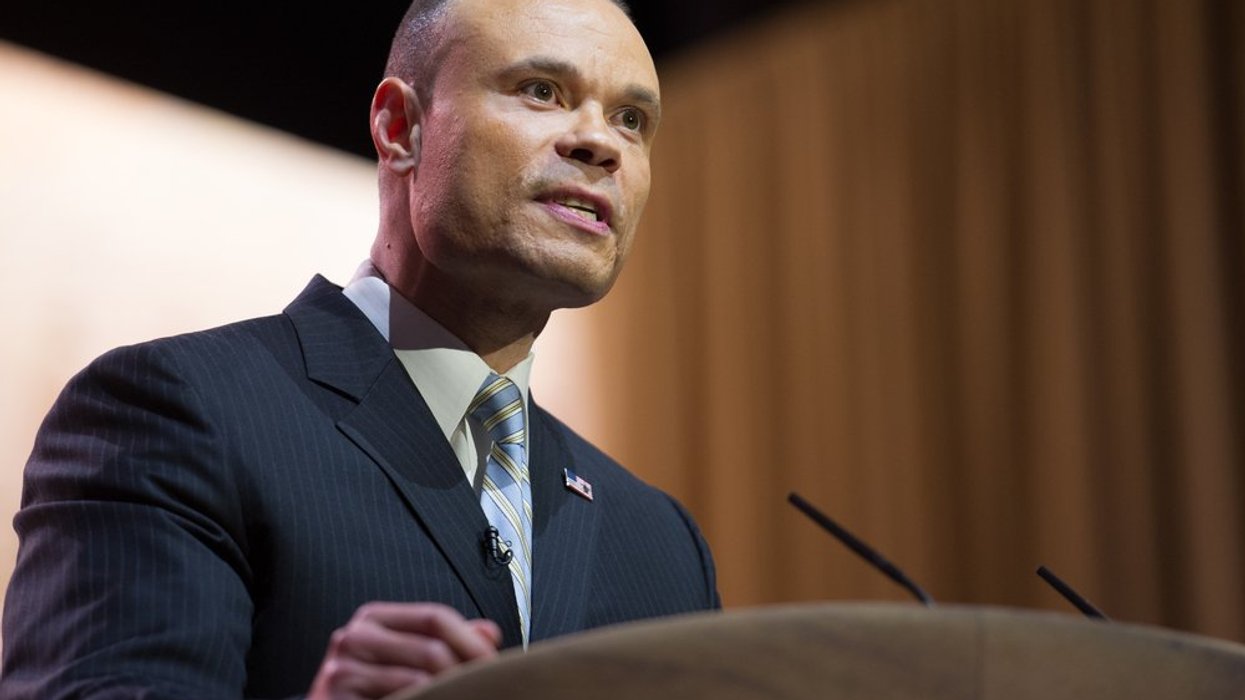
When classified information starts surfacing in news headlines before internal briefings conclude, someone inside is talking. Dan Bongino, former Secret Service agent and vocal critic of institutional bias, didn’t just point fingers—he laid out a tactical blueprint for how he believes “snakes” inside the FBI were trapped to stop media leaks. His claims aren’t speculative. They’re rooted in operational experience, real-world counterintelligence principles, and a growing body of evidence suggesting systemic rot in federal law enforcement.
This isn’t about one leak. It’s about a pattern—one Bongino says he recognized from his time in protective intelligence and later confirmed through forensic analysis of media reporting timelines, document trails, and insider sources. The real story isn’t just that leaks occurred, but how they were allegedly detected, contained, and used to expose deeper corruption.
The Leak Problem: When the FBI Becomes a News Wire
For years, journalists received curated intelligence—FISA applications, dossier details, internal memos—before even congressional oversight committees. The 2016 election cycle was riddled with unverified leaks painting Donald Trump as compromised, yet few sources were ever prosecuted. That’s not accidental. It’s structural.
Bongino argues this wasn’t rogue agents. It was organized sabotage. "You don’t get detailed investigative documents in the New York Times without an established pipeline," he’s said repeatedly. “That’s not whistleblowing. That’s espionage disguised as journalism.”
The danger? When an agency like the FBI uses the press as a covert influence tool, it undermines democracy. Investigations become political weapons, and public trust erodes. Bongino’s focus wasn't just on catching leakers—it was on proving the operation existed.
How the Trap Was Set: Operational Tradecraft, Not Speculation
Bongino didn’t deploy literal snakes. The term “snakes” refers to insiders leaking sensitive information—often with ideological motives. But his method for exposing them relied on old-school counterintelligence tactics, not conspiracy theories.
Here’s how he claims the trap worked:
- Controlled Information Feeds
- Specific, falsified details were embedded into internal FBI briefings—data that looked real but was entirely manufactured. For example, a fake timeline in a surveillance memo, or a non-existent source codename. If that detail appeared in a media report, the leak path was confirmed.
- Compartmentalized Distribution
- Information was shared on a strict need-to-know basis. When a leak occurred, the pool of suspects was instantly narrowed. Bongino emphasizes this as a standard practice in protective operations: “If only three people know a motorcade route, and the press reports it, you don’t need an FBI probe. You’ve got your culprits.”
- Timeline Forensics
- By comparing internal documentation timestamps with publication times, patterns emerged. One report, for instance, hit The Washington Post just 47 minutes after a closed-door FBI meeting. Math doesn’t lie. That’s not investigative journalism. That’s real-time collaboration.
- Cross-Agency Verification
- Bongino worked with allies in other intelligence circles to validate whether information was being selectively released. When DOJ officials expressed shock at leaks they hadn’t authorized, it confirmed internal betrayal.
These weren’t guesses. They were applied intelligence techniques from Bongino’s field experience—methods he says were ignored or suppressed by FBI leadership at the time.

Case Study: The Dossier Leak Operation
The most prominent example Bongino cites is the Steele Dossier leak campaign. From 2016 through 2017, fragments of the dossier—a raw, unverified opposition research document—were fed to media outlets like CNN, The New York Times, and Mother Jones. Each leak advanced a single narrative: Trump was compromised by Russia.
But Bongino noticed inconsistencies. Key phrases from the dossier appeared in news stories before the FBI had officially acknowledged possessing it. That’s impossible—unless someone inside was coordinating with reporters.
Further, some leaks contained details never included in public versions of the dossier. That suggested active embellishment—someone wasn’t just leaking. They were shaping the story.
By mapping which agents had access to the dossier, which reporters were receiving the tips, and when internal briefings occurred, Bongino and associates identified a small network of officials tied to the Crossfire Hurricane investigation. These individuals weren’t just talking—they were strategically managing public perception.
The Role of the Media: Accomplice or Victim?
One of Bongino’s most controversial claims is that major news outlets weren’t just recipients of leaks—they were active participants. “They weren’t reporting the news,” he argues. “They were running operations.” Examples support this:
- In 2017, The New York Times published specifics about a FISA warrant targeting Carter Page before the Department of Justice had declassified the application.
- CNN cited “senior law enforcement officials” on multiple occasions—only for those same officials to later be linked to anti-Trump bias in internal texts.
- Reporters received documents via encrypted channels, suggesting a level of coordination far beyond routine sourcing.
Bongino doesn’t dispute that journalists have a right to report. But when they’re receiving classified material from government insiders to influence an election, that’s no longer journalism. It’s subversion.
He points out that none of the major outlets involved have ever revealed their sources in these cases. No Pulitzer was returned. No retractions issued when key claims collapsed. That silence, he says, is telling.
Why the FBI Failed to Stop It—And May Have Encouraged It
Even with clear evidence of leaks, no high-level FBI officials were fired. Texts showing anti-Trump bias between Peter Strzok and Lisa Page were exposed, yet both remained employed for months. Andrew McCabe, then-deputy director, was eventually fired—but only after public pressure.
Bongino sees this as proof of institutional protection. "If an agent leaks about a Democrat, they’re suspended by lunchtime," he’s said. "Leak about a Republican president? You get promoted."
He argues that the FBI’s leadership culture enabled the leaks by:
- Rewarding ideological loyalty over operational integrity
- Failing to enforce compartmentalization protocols
- Allowing media relationships to replace transparency
- Ignoring whistleblower complaints from inside agents
The result? A self-sustaining ecosystem where disloyal actors operate with impunity, knowing the system will protect them.
The Fallout: Trust, Reform, and the Need for Oversight
The damage from these leaks goes beyond one election. It eroded faith in federal institutions. Polls show a dramatic drop in public confidence in the FBI since 2016—particularly among independents and conservatives.
Bongino believes restoring trust requires more than statements. It demands structural change:
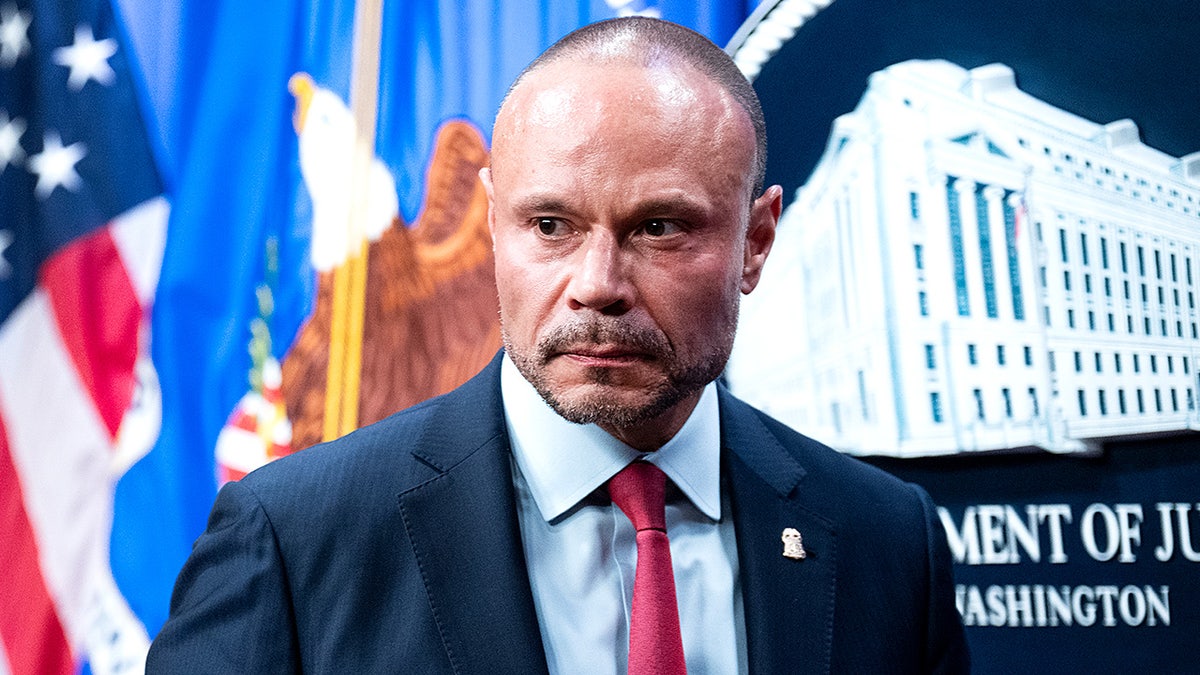
- Real-time audit logs for sensitive documents, tracking every access and download
- Mandatory polygraphs for agents on politically sensitive investigations
- Independent oversight boards with clearance to investigate internal leaks
- Stricter penalties for unauthorized disclosures—regardless of political motive
He also supports legislation like the FISA Accountability Act, which would require the government to disclose when intelligence was used in leak investigations.
But reform won’t come from within, he warns. “The people who benefit from the current system are the ones in charge of fixing it. That’s like asking a bank robber to redesign the vault.”
How Citizens Can Spot Coordinated Leaks
You don’t need a security clearance to identify suspicious patterns. Bongino teaches a simple framework:
- Timing: Does the report break minutes after a closed meeting?
- Specificity: Does it include internal jargon, codenames, or document numbers?
- Bias: Does it only target one political figure or party?
- Corroboration: Can the facts be verified, or is it all “anonymous officials”?
- Aftermath: Are sources ever named? Are retractions issued when wrong?
When multiple red flags appear, it’s not news. It’s manipulation.
For example, in 2022, a report claimed the FBI had evidence of Trump hiding nuclear codes. The story vanished within 48 hours—no follow-up, no sources, no proof. Bongino called it a classic “pressure leak”: designed to damage, not inform.
Conclusion: Exposing the Snakes Was Just the First Move
Dan Bongino didn’t just expose leaks—he exposed a system designed to enable them. His approach wasn’t theoretical. It combined field-tested tradecraft, timeline analysis, and public documentation to show how “snakes” inside the FBI were identified and isolated.
The bigger fight isn’t over. As long as federal agencies operate without real accountability, leaks will continue—targeting political enemies, shaping narratives, and undermining democracy.
But now, the playbook is public. And that’s the first step toward real reform.
FAQ
Did Dan Bongino work directly inside the FBI? No. Bongino served in the U.S. Secret Service, not the FBI. However, he collaborated with FBI personnel and had access to interagency intelligence channels.
What does “trapping snakes” mean in this context? It’s a metaphor for identifying and exposing corrupt insiders who leak classified information—typically to manipulate public opinion.
Has any evidence confirmed Bongino’s claims about FBI leaks? Yes. The DOJ’s 2019 Inspector General report confirmed unauthorized disclosures by FBI officials during the Crossfire Hurricane investigation.
Were any journalists prosecuted for receiving leaked information? No U.S. journalist has been prosecuted under espionage laws for publishing classified leaks, though sources like Reality Winner and Edward Snowden have faced charges.
Did the FBI take action against the leakers? Some low-level officials faced discipline, but no high-ranking agents were criminally charged for media leaks related to the Trump investigation.
Is planting fake information legal in leak investigations? Yes. “Canary traps” or controlled data releases are standard counterintelligence techniques used by law enforcement and intelligence agencies.
Can citizens report suspected government leaks? Yes. Suspicious disclosures can be reported to the FBI’s tip line or the Office of the Director of National Intelligence (ODNI) whistleblower system.
FAQ
What should you look for in Dan Bongino Exposes How He Trapped Spies Inside the FBI? Focus on relevance, practical value, and how well the solution matches real user intent.
Is Dan Bongino Exposes How He Trapped Spies Inside the FBI suitable for beginners? That depends on the workflow, but a clear step-by-step approach usually makes it easier to start.
How do you compare options around Dan Bongino Exposes How He Trapped Spies Inside the FBI? Compare features, trust signals, limitations, pricing, and ease of implementation.
What mistakes should you avoid? Avoid generic choices, weak validation, and decisions based only on marketing claims.
What is the next best step? Shortlist the most relevant options, validate them quickly, and refine from real-world results.