Choosing the right approach to heavenly home of the saints images starts with clear context, practical filters, and realistic expectations.
Introduction to Heavenly Home of the Saints
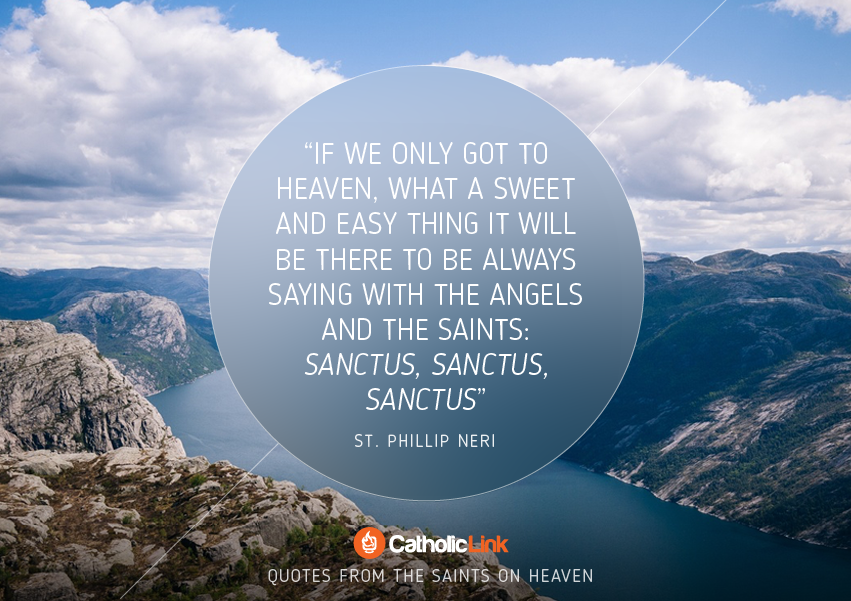
The concept of a heavenly home for saints is deeply rooted in Christian theology, symbolizing a place of eternal peace and bliss where the faithful reside after passing on from the earthly realm. This idea has been a subject of fascination and inspiration for artists throughout history, leading to the creation of numerous breathtaking images that attempt to capture the essence of this divine abode.
Historical Context of Heavenly Art
Historically, the depiction of heaven and the saints has evolved significantly, reflecting the cultural, theological, and artistic trends of different eras. From the intricate mosaics of early Christian churches to the elaborate paintings of the Renaissance, each period has contributed its unique perspective on what the heavenly home of the saints might look like. These artworks not only serve as aesthetic masterpieces but also as windows into the spiritual beliefs and values of their times.
Influence of Religious Texts
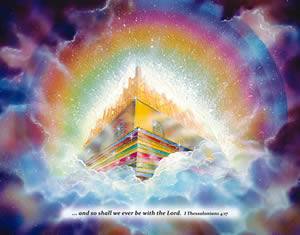
Religious texts, such as the Bible, have played a pivotal role in shaping the imagery associated with the heavenly home of the saints. Descriptions of heaven as a place of gold, precious stones, and eternal light have inspired artists to create vivid and dazzling representations. The Book of Revelation, with its apocalyptic visions, has been a particularly rich source of inspiration for depictions of the heavenly realm.
Artistic Representations The
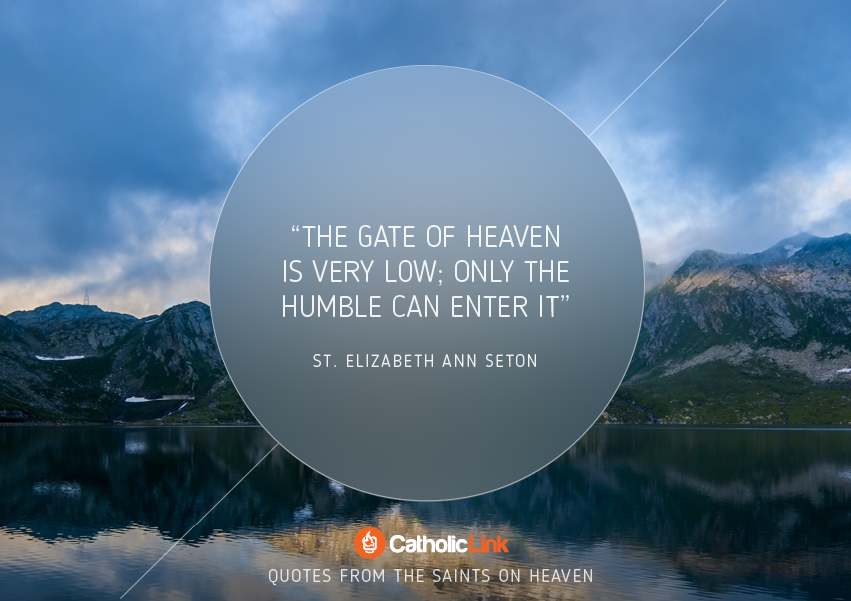
artistic representations of the heavenly home of the saints are incredibly diverse, ranging from serene landscapes to grand architectural visions. Some of the most iconic images include: - The Last Judgment by Michelangelo, which depicts the saints and the blessed in heaven, surrounded by a majestic and powerful divine presence. - The Heaven of the Blessed by Fra Angelico, showcasing a peaceful and harmonious heaven filled with saints, angels, and the Virgin Mary. - The Apocalypse Tapestry, a monumental series of tapestries that narrate the story of the end of the world and the final judgment, offering a glimpse into the heavenly realm.
Symbolism and Themes The images of the heavenly home of the saints are rich in
symbolism and themes, conveying deep spiritual messages and theological concepts. Common symbols include: - Light, often representing divine presence and guidance. - Flowers and trees, symbolizing eternal life and paradise. - Angels and saints, embodying the inhabitants of heaven and the intermediaries between the earthly and heavenly realms.
Practical Examples and Uses
These images of the heavenly home of the saints have numerous practical applications and uses: - Spiritual Inspiration: They serve as powerful tools for spiritual reflection, devotion, and inspiration, helping believers to focus on their faith and aspire to a deeper connection with the divine. - Artistic and Cultural Heritage: They are significant components of our cultural and artistic heritage, offering insights into the history of art, theology, and human spirituality. - Therapeutic and Educational: They can be used in therapeutic settings to provide comfort and solace, and in educational contexts to teach about religious beliefs, art history, and cultural diversity.
Limitations and Challenges
While the images of the heavenly home of the saints are incredibly enriching, there are also challenges and limitations associated with their creation and interpretation: - Subjectivity and Interpretation: The depiction of heaven is inherently subjective, reflecting the artist's personal beliefs, cultural background, and historical context. - Cultural and Theological Sensitivity: The creation and display of these images require cultural and theological sensitivity, respecting the diverse beliefs and traditions of different religious communities.
Common Mistakes and Misconceptions
![[Heavenly Revelations] Some Of The Saints Who Had Biggest Homes In ...](https://i.ytimg.com/vi/leKKZ9yPIcA/hqdefault.jpg)
There are common mistakes and misconceptions surrounding the heavenly home of the saints images, such as: - Overemphasis on Material Beauty: Focusing too much on the physical beauty of the artworks can detract from their deeper spiritual significance and message. - Lack of Historical Context: Ignoring the historical and cultural context in which these images were created can lead to misinterpretation and a lack of appreciation for their complexity and richness.
Workflow Tips for Artists and Scholars
For artists and scholars interested in exploring the theme of the heavenly home of the saints, several workflow tips can be helpful: - Interdisciplinary Approach: Adopting an interdisciplinary approach that combines art history, theology, and cultural studies can provide a more comprehensive understanding of these images. - Respect for Tradition: Respecting the religious and cultural traditions from which these images originate is essential for their sensitive and appropriate interpretation and use.
Comparison of Different Artistic Styles
A comparison of different artistic styles and periods reveals a fascinating diversity in the depiction of the heavenly home of the saints: - Medieval Art: Characterized by simplicity, symbolism, and a focus on the divine. - Renaissance Art: Marked by realism, humanism, and a celebration of earthly beauty as a reflection of divine perfection. - Modern Art: Often experimental, abstract, and questioning traditional representations of heaven and the saints.
Verdict and Conclusion In conclusion, the images of the heavenly home of the saints are a treasure trove of spiritual, artistic, and cultural significance.
They offer a glimpse into the divine, inspire devotion, and reflect the evolving beliefs and values of human society. Whether as objects of worship, artistic masterpieces, or windows into the past, these images continue to captivate and inspire us, inviting us to contemplate the mysteries of faith and the beauty of the human spirit.